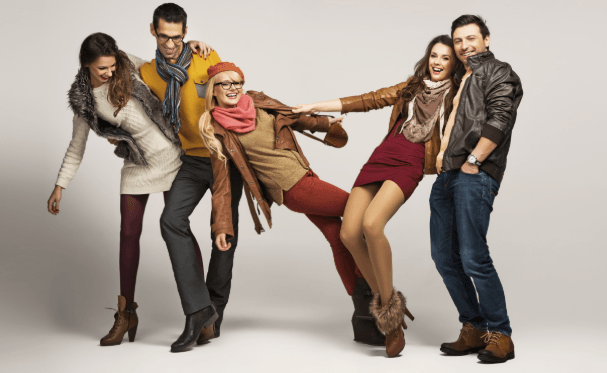
Fashion and Personal Identity

Fashion acts as a mirror and a map. Colors, textures, and silhouettes layer meaning that others read as identity cues. The day-to-day wardrobe becomes a quiet compass, guiding restraint over spectacle. Trends arrive, but and they leave traces—history, values, mood. A mindful wardrobe preserves autonomy while offering a coherent voice. The choice of what to wear can reveal more than style, and the next decision may redefine what one chooses to show.
How Fashion Reveals Your Inner Identity
Fashion functions as a mirror of the self, translating inner traits into outward cues that others can read. Observers note how choices layer identity signals into daily appearance, revealing values, moods, and thresholds for risk. Context anchors meaning; fabric storytelling becomes a subtle narrative, where textures and hues map personal history without shouting. Freedom emerges through deliberate, coherent self-presentation.
Everyday Style as a Personal Compass
Everyday style functions as a personal compass, guiding choices with quiet precision rather than bold proclamation. In ordinary moments, observers note how mindful color palettes and versatile silhouettes signal restraint and control.
Rapid fire trends lose impact when tempered by deliberate wardrobe audits, revealing a calm, authentic stance. The approach favors freedom through thoughtful selection, not impulsive spectacle.
Navigating Trends Without Losing Self-Expression
Navigating trends without losing self-expression requires a patient appraisal of what feels resonant rather than what merely dominates the moment. Observers note how individuals test identity signals against context, selecting elements that endure beyond fads. The approach favors texture exploration, mixing familiar textures with subtle novelty. This balance preserves autonomy while engaging culture, inviting personal interpretation rather than exhaustive trend replication.
Crafting a Mindful Wardrobe for Authentic Living
A mindful wardrobe emerges when individuals assess garments not as quick fixes to mood or status, but as deliberate, enduring tools for daily living. The approach foregrounds mindful fabrications and wardrobe rituals, inviting restraint over impulse. Observed patterns reveal choices shaped by values rather than trend cycles, fostering authenticity. In this context, freedom arises from thoughtful curation, clarity, and sustained personal alignment.
See also: What Are Crypto Exchanges and How Do They Work?
Frequently Asked Questions
How Does Fashion Influence First Impressions in Social Settings?
First impressions in social settings are shaped by clothing aesthetics and social signaling, as observers infer competence from attire. The analysis remains observant and reflective, noting that fashion functions as contextual cues, while individuals interpret perceived competence and personal freedom through appearance.
Can Clothing Choices Reflect Cultural or Subcultural Identities?
Clothing choices can reflect cultural signs and subcultural codes, signaling belonging or stance. In observado, contexts reveal how wardrobes encode identity, offering freedom of expression while inviting interpretation as social meaning shifts, boundaries blur, and communities negotiate visibility.
Do Body Image Concerns Affect Fashion Self-Expression?
Body image concerns influence fashion self expression by shaping choices, signaling courage or constraint, while the validity of body positivity expands permissible styles and self-presentation; observers note individuality persists, with fashion acting as commentary within personal freedom.
How Do Costs Shape Personal Style Decisions?
Costs steer personal style through budget constraints and luxury branding, shaping choices via perceived value. Observant observers note thrift store psychology guiding frugal experimentation, while restrained budgets invite freedom to curate authentic wardrobes beyond price tags.
Is Personal Style Permanent or Evolves Over Time?
Personal evolution suggests style is not permanent; it shifts with experience, context, and choices. Yet style permanence can linger as a guiding thread. The observer notes how environments sculpt taste, while individuals resist rigid definitions, embracing evolving expression.
Conclusion
Fashion and personal identity intertwine, revealing radiance through restrained, radiant choices. The mindful closet becomes a compass: consistent, coherent cues that confide character without shouting, signaling stories sewn from history, values, and mood. Style stays steady, yet sprightly, as trends tempt without tearing authenticity. In this quiet choreography, wardrobes whisper who we are, while wiser wearers weigh whim against worth, weaving a world of self-assurance. Observant observers note: authentic adornment aligns appearance with inner intention, instilling intentional, intimate impact.